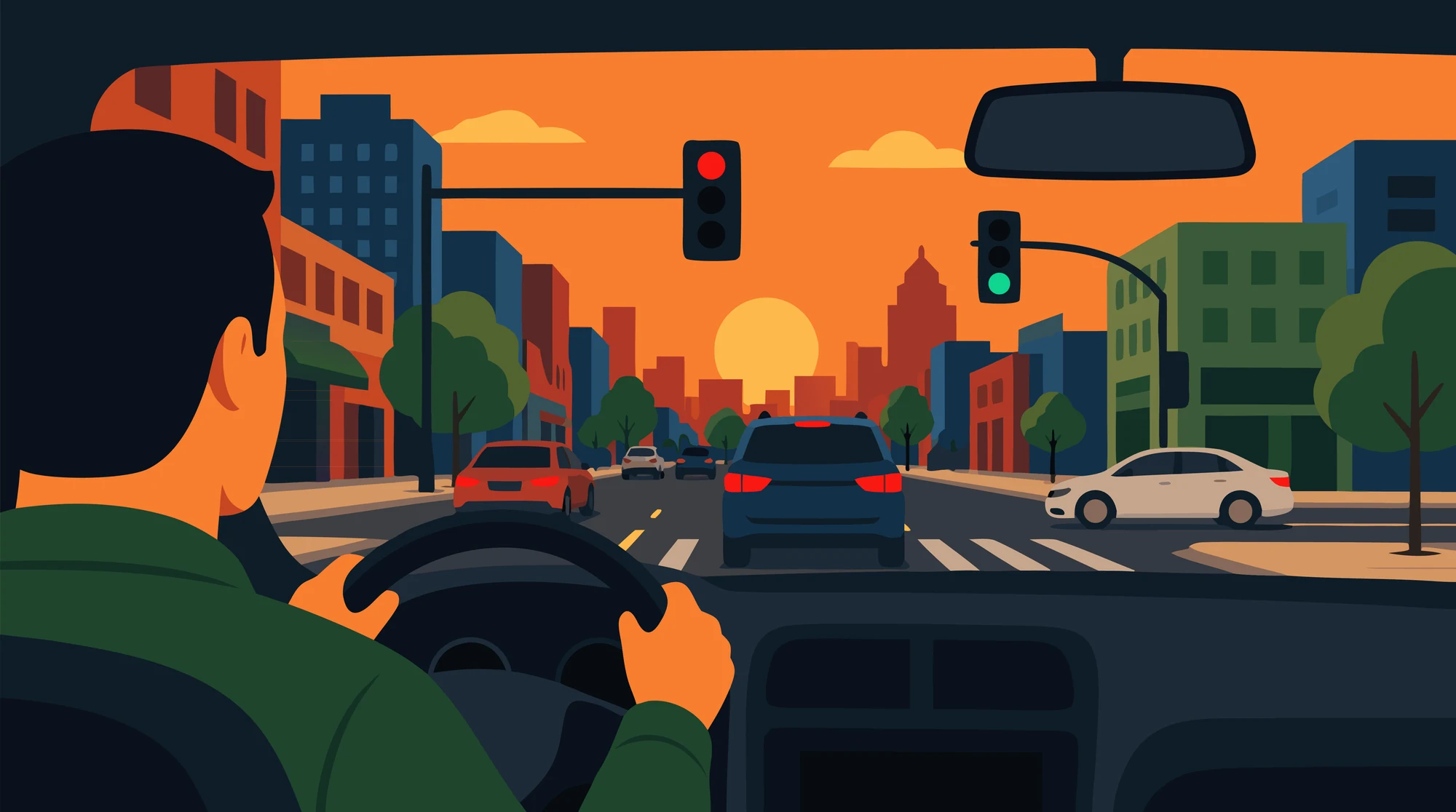
Introduction: Safety is the foundation of the Michot platform.
Transportation services involve real people, real vehicles, real-world conditions, and real responsibilities. Every transportation request places trust in the platform, the individuals providing transportation services, and the systems designed to support safe mobility.
Michot is committed to maintaining a transportation environment that prioritizes safety, professionalism, accountability, preparedness, and responsible decision-making. This Safety Policy establishes the standards, expectations, responsibilities, and procedures intended to support the well-being of riders, drivers, business customers, support personnel, and communities served by the platform.
Safety is a shared responsibility. Technology alone cannot eliminate every risk associated with transportation services. Effective safety depends upon cooperation between riders, drivers, support personnel, and platform systems working together to identify, reduce, and respond to potential risks.
All platform users are expected to comply with this Safety Policy and contribute to a transportation environment that values responsible conduct and continuous safety improvement.
Safety Principles:
- Safety takes priority over convenience, speed, incentives, ratings, profits, trip volume, operational efficiency, and other business considerations.
- Every user deserves to feel safe while participating in platform services.
- Safety concerns should be reported promptly and addressed seriously.
- Technology should be used to support safety but should never replace responsible decision-making.
- Prevention is often more effective than reaction.
- Continuous improvement is necessary because safety challenges evolve over time.
Each participant must exercise reasonable judgment, comply with applicable laws, follow platform requirements, and act responsibly throughout transportation activities.
Individuals who identify safety concerns are encouraged to report those concerns promptly so appropriate action can be taken.
Driver Safety Requirements: Drivers are entrusted with transporting members of the public and therefore have significant safety responsibilities.
Drivers must maintain valid driving privileges, comply with applicable transportation laws, operate vehicles responsibly, and demonstrate sound judgment while providing transportation services.
Drivers should remain attentive at all times while operating vehicles and should avoid distractions that may interfere with safe driving.
Transportation services should never be provided by individuals whose physical, mental, emotional, or medical condition may impair safe vehicle operation.
Safe Driving Practices: Safe driving is a fundamental requirement of platform participation. Drivers are expected to obey traffic laws, speed limits, road signs, traffic signals, and transportation regulations at all times.
Aggressive driving, reckless driving, excessive speeding, dangerous lane changes, distracted driving, road rage, racing, stunt driving, and other unsafe behaviors are prohibited.
Defensive driving practices should be used whenever possible to reduce risks associated with traffic conditions, weather conditions, construction zones, pedestrians, cyclists, and other roadway hazards.
Distracted Driving: Distracted driving is a significant safety risk.
Drivers should minimize activities that divert attention away from safe vehicle operation. Mobile device usage, messaging, entertainment systems, social media activity, or other distractions should never interfere with driving responsibilities.
Navigation systems and transportation-related technologies should be used responsibly and in a manner consistent with safe driving practices.
Driver Fatigue: Driver fatigue can significantly increase transportation risks. Drivers should not provide transportation services when excessively tired, sleep-deprived, physically exhausted, or otherwise unable to operate a vehicle safely.
Rest periods should be taken whenever necessary to maintain alertness and safe driving performance.
No trip opportunity, incentive, promotion, or earning opportunity should outweigh the importance of safe vehicle operation.
Alcohol, Drugs, and Impairment: Operating a vehicle while impaired is strictly prohibited.
Drivers may not provide transportation services while under the influence of alcohol, illegal substances, controlled substances that impair driving ability, or any condition that reduces safe vehicle operation.
Riders are also expected to avoid conduct that creates significant safety risks because of intoxication or substance impairment.
Reports involving impaired driving are treated as serious safety matters and may result in immediate account restrictions pending investigation.
Vehicle Safety Requirements: Vehicles used for transportation services must be maintained in safe operating condition.
Drivers remain responsible for ensuring that vehicles comply with applicable legal requirements, registration requirements, insurance obligations, maintenance standards, and safety expectations.
Vehicle systems such as brakes, steering systems, tires, lights, mirrors, seat belts, windshield wipers, and other critical components should be maintained appropriately.
Vehicles that present safety concerns should not be used for transportation services until the concerns have been addressed.
Vehicle Cleanliness: Clean vehicles support safety and comfort. Drivers should maintain vehicles in a condition that promotes a positive transportation experience while minimizing health and safety concerns.
Excessive clutter, unsanitary conditions, strong odors, hazardous materials, or unsafe vehicle conditions may negatively affect transportation services and may result in platform review.
Rider Safety Expectations: Riders also contribute to transportation safety.
Before entering a vehicle, riders should verify vehicle information, driver information, and trip details whenever possible.
Riders should wear seat belts when available and comply with reasonable safety instructions provided by drivers.
Transportation activities should be conducted responsibly and in a manner that does not interfere with vehicle operation or create safety risks.
Personal Safety Practices: Personal safety remains important throughout transportation activities.
Users should exercise reasonable judgment when arranging transportation, meeting drivers, interacting with riders, communicating through the platform, and responding to unexpected situations.
Individuals should trust their instincts when situations appear unsafe and should prioritize personal well-being whenever concerns arise.
Emergency Assistance: Certain situations require immediate emergency intervention.
When emergencies involve serious injury, medical emergencies, criminal activity, threats of violence, accidents involving injuries, fires, or immediate threats to safety, local emergency services should be contacted immediately.
Platform support systems are not a substitute for emergency response agencies. Immediate threats should always be reported directly to emergency authorities first.
Accident Reporting: Transportation incidents should be reported promptly. Accidents involving vehicles, injuries, property damage, safety concerns, or other significant events should be documented and reported through appropriate channels.
Prompt reporting helps preserve information, support investigations, coordinate assistance, and address safety concerns effectively.
Safety Incident Reporting: Users are encouraged to report unsafe behavior, threats, harassment, suspicious activity, dangerous driving, vehicle concerns, criminal activity, discrimination, fraud, or other conduct affecting safety.
Reports should be submitted honestly and in good faith. Timely reporting allows concerns to be addressed more effectively.
Lost Property: Items occasionally become separated from their owners during transportation services.
Michot encourages honest efforts to return lost property whenever reasonably possible. Drivers, riders, and support personnel should handle lost property matters professionally and respectfully.
The platform cannot guarantee recovery of lost items, but reasonable efforts may be made to facilitate communication and support recovery attempts.
Safety Investigations: Safety concerns may require formal review. Michot reserves the right to investigate reports involving accidents, injuries, harassment, threats, fraud, misconduct, dangerous behavior, criminal activity, policy violations, or other safety-related concerns.
Investigations may involve review of trip records, communications, account information, support records, location information, documentation, and other relevant information.
Cooperation with legitimate investigations may be required as a condition of continued platform participation.
Temporary Safety Restrictions: Certain situations may require immediate protective action. Accounts may be temporarily restricted while safety reviews are conducted when necessary to protect users, preserve evidence, address urgent risks, or support investigations.
Temporary restrictions do not necessarily indicate a final determination regarding reported conduct.
Safety Enforcement: Failure to comply with safety requirements may result in enforcement action.
Enforcement actions may include warnings, education requirements, account restrictions, temporary suspensions, permanent deactivation, denial of access to services, legal action, or referral to appropriate authorities.
Serious violations may result in immediate action without prior warning.
Continuous Improvement: Safety is an ongoing process. Michot continuously evaluates safety practices, operational procedures, technologies, reporting systems, support resources, educational materials, and risk-management strategies.
Lessons learned from incidents, user feedback, operational experience, industry developments, and regulatory guidance may contribute to future improvements.
Safety Commitment: Michot believes that every transportation request should be supported by a culture of safety, professionalism, accountability, and respect.
Protecting riders, drivers, business customers, and communities remains a central responsibility of platform operations.
By participating in Michot services, users agree to support these safety principles and contribute to a transportation environment where safety remains a shared priority.